
Plumbing Career Outcomes
Plumbing Career Outcomes
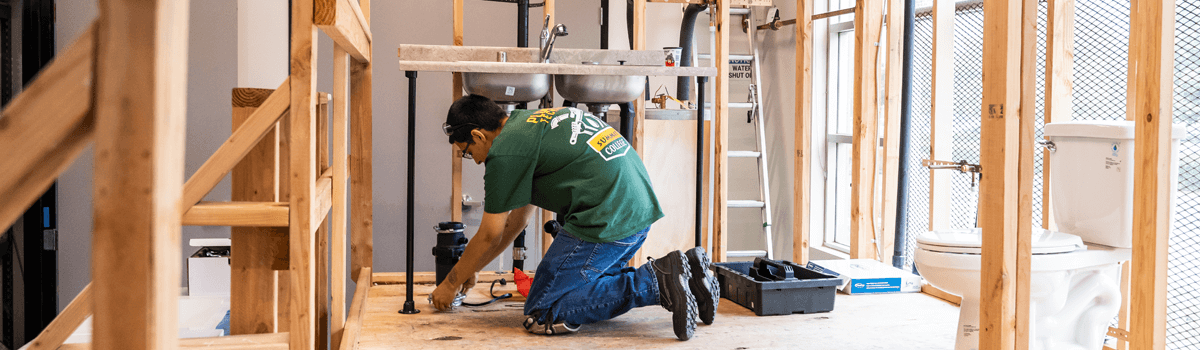
What You Can Do After Plumbing Training at ÐÇ¿Õ´«Ã½
If you’re considering plumbing training, you’re probably asking:
“What kind of work does this actually lead to?�
This page breaks that down clearly, what jobs you can get, what the work looks like, and how the path develops over time.
What Jobs Can You Get After Plumbing Training?
Most graduates begin in entry-level plumbing roles, working alongside experienced plumbers to build real-world skills.
Common starting positions include:
- Plumbing Apprentice
- Plumbing Helper
- Construction Plumber Trainee
- Maintenance Technician
- Service Plumbing Assistant
These roles are hands-on and focused on learning by doing, not just watching.
What Does an Entry-Level Plumber Actually Do?
Early in your career, the work is practical and skill-based.
A typical day might include:
- Installing and repairing pipes, fixtures, and fittings
- Assisting with water heater installation
- Clearing drains and troubleshooting plumbing issues
- Reading basic blueprints and layouts
- Working with tools like pipe cutters, threading machines, and inspection equipment
It’s problem-solving work. Something’s broken, you fix it.
Where Do Plumbers Work?
Plumbing is needed everywhere people live and work.
Common work environments include:
- Residential homes
- Apartment complexes
- Commercial buildings
- Construction sites
- Maintenance and repair services
Some plumbers focus on installation. Others specialize in service and repair work.
Career Growth: Where This Can Lead
Plumbing is a skill you build, and then expand.
A typical path looks like:
- Training Program
- Entry-Level Role / Apprentice
- Skilled Plumber
- Licensed Plumber
- Independent Contractor or Business Owner
Many people are drawn to plumbing because it can lead to:
- Self-employment
- Contract work
- Specialized service niches
This is one of the few trades where ownership is a realistic long-term path.
How This Leads Toward Licensing
In California, plumbers typically become licensed after gaining work experience and passing a state exam.
Training helps you:
- Learn foundational skills
- Understand systems and codes
- Enter the workforce more prepared
From there, you build the hours needed to qualify for licensing.
How ÐÇ¿Õ´«Ã½ Supports Your Career Path
A common question is:
“Will this actually help me get started working?�
ÐÇ¿Õ´«Ã½ focuses on helping you move from training into the field.
Support may include:
- Career services assistance
- Resume and interview preparation
- Guidance on entry-level job opportunities
- Employer connections in your region
The goal is simple: help you take the next step with direction.
Is Plumbing the Right Fit for You?
This path tends to work well if you:
- Prefer hands-on problem solving
- Want a skill you can take anywhere
- Like fixing things and seeing immediate results
- Are thinking long-term about independence or self-employment
If you’re looking for something abstract or office-based, this probably isn’t it.
Do I need experience to get started?
No. Entry-level roles are designed for people learning the trade.
Is plumbing physically demanding?
It can be. The work involves lifting, bending, and working in tight spaces.
Can I work while training?
Many students do. It depends on your schedule and availability.
How long before I can earn more?
As your skills improve and you gain experience, your earning potential increases.
Take the Next Step
If you’re comparing options, you don’t need to decide today.
You just need better information.
Start here:
- See what you’ll learn in plumbing training
- Explore career paths in plumbing
- Talk to an advisor about your goals
Or explore training at a campus near you:
Bottom Line
Plumbing training isn’t about sitting in a classroom.
It’s about learning a skill that:
- Pays
- Solves real problems
- Can grow into something you control
If that’s what you’re looking for, this path is worth a closer look.

