
Welding Career Outcomes
Welding Career Outcomes
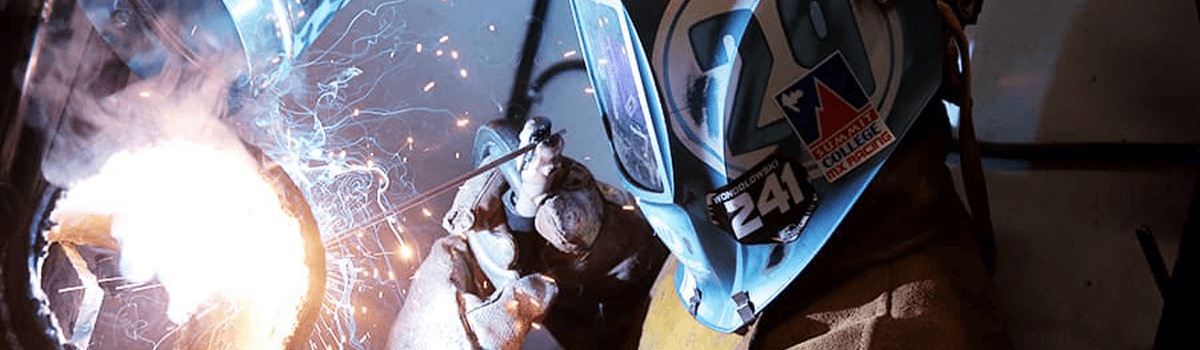
What You Can Do After Welding Training at Ðǿմ«ý
If you’re considering welding, you’re probably thinking:
“What kind of jobs can I actually get—and is this something I can get good at?”
This page gives you a clear breakdown of where welding training can take you.
What Jobs Can You Get After Welding Training?
Most graduates start in entry-level welding or fabrication roles where they build skill through repetition.
Common starting positions include:
- Welder Trainee
- Fabrication Assistant
- MIG/TIG Welder (entry-level)
- Structural Welder Helper
- Manufacturing Welder
These roles focus on developing technique, speed, and consistency.
What Does an Entry-Level Welder Actually Do?
Welding is about precision and repetition.
A typical day might include:
- Performing MIG, TIG, or stick welds
- Reading blueprints and weld symbols
- Cutting and preparing metal
- Inspecting weld quality
- Working in fabrication shops or job sites
You’re building real structures, and your skill shows in the work.
Career Growth: Where This Can Lead
Welding is a skill-driven trade. The better you get, the more opportunities open up.
A typical path:
- Training Program
- Entry-Level Welder
- Skilled Welder
- Certified Welder
- Specialized Welding Roles
Specializations may include:
- Structural welding
- Pipe welding
- Industrial fabrication
- High-precision or code welding
This path is about mastery and skill recognition, not just time on the job.
Certifications and Skill Development
Welding careers often involve certifications that prove your skill level.
Training helps you:
- Learn multiple welding processes
- Practice consistently in a structured environment
- Build confidence before entering the workforce
Certifications can open doors to higher-paying and specialized roles.
How Ðǿմ«ý Supports Your Career Path
A common concern is:
“Will I actually be good enough to get hired?”
Ðǿմ«ý focuses on helping you build real, repeatable skills.
Support may include:
- Career services assistance
- Resume and interview preparation
- Guidance on entry-level opportunities
- Employer connections
The goal is to help you move from practice to production work.
Is Welding the Right Fit for You?
This path tends to work well if you:
- Like working with your hands
- Take pride in building something real
- Are willing to practice and improve your technique
- Want a skill that shows in your results
If you’re not interested in repetition or precision work, welding may not be the right fit.
Do I need experience to start?
No. Entry-level training is designed for beginners.
Is welding physically demanding?
It can be. You’ll be standing, lifting, and working in different environments.
How long does it take to improve?
Skill improves with practice, often quickly with consistent training.
Can I move into higher-paying roles?
Yes, especially with certifications and specialized skills.
Take the Next Step
If you’re considering welding, start with clarity:
Start here:
- See what you’ll learn in welding training
- Explore welding career paths
- Talk to an advisor about your goals
Or explore training at a campus near you:
Bottom Line
Welding isn’t about sitting in a classroom.
It’s about building a skill you can see, and getting better at it every day.
If that matters to you, this path is worth a closer look.

